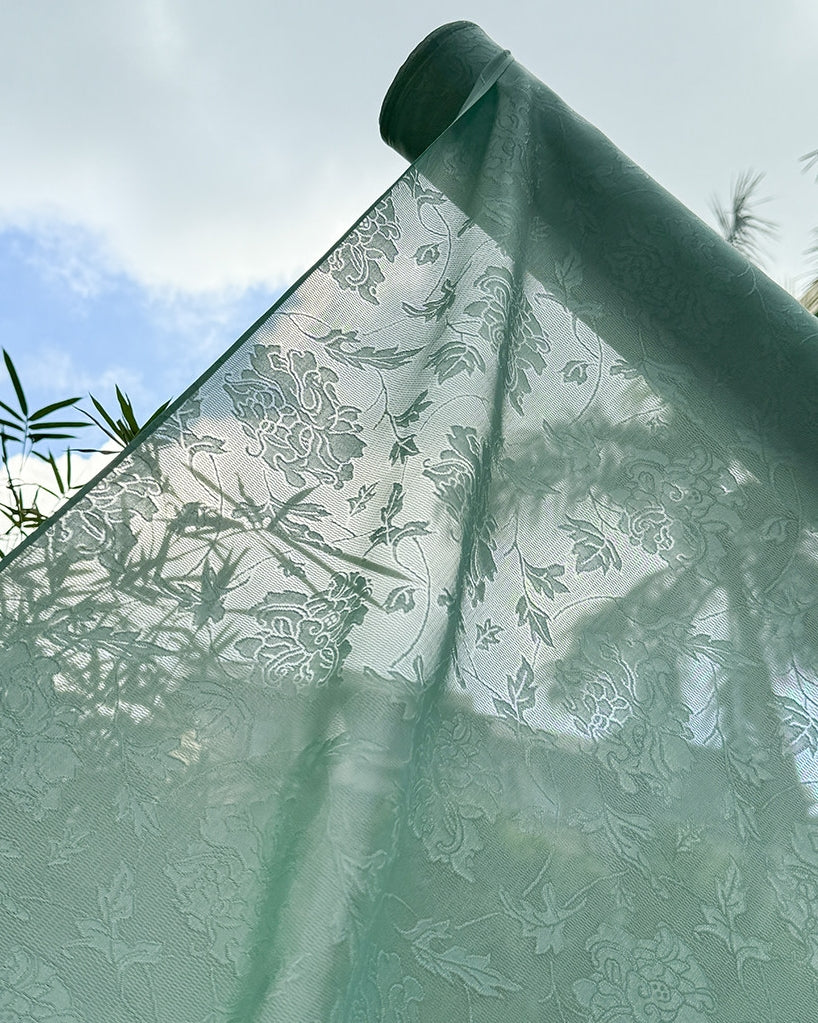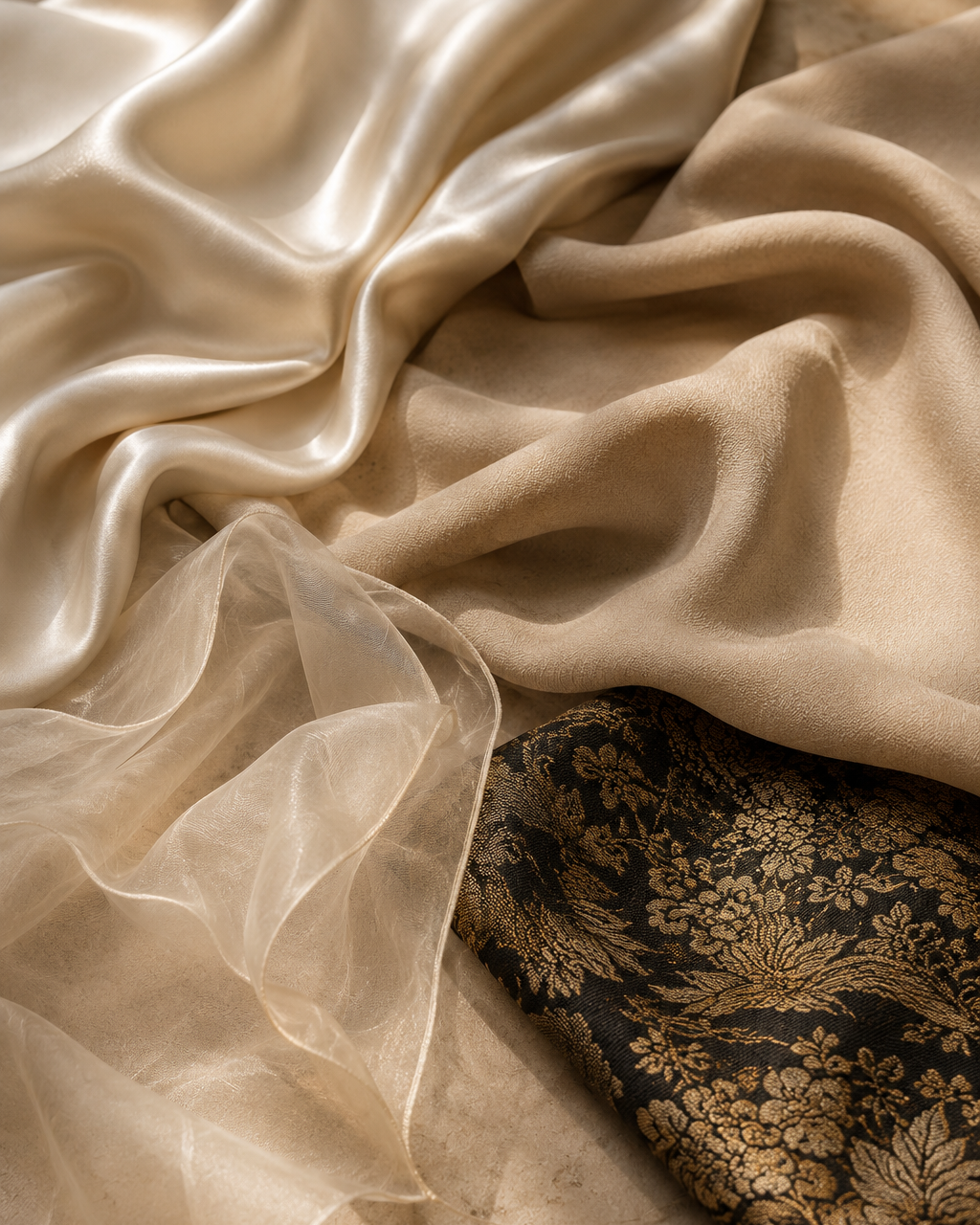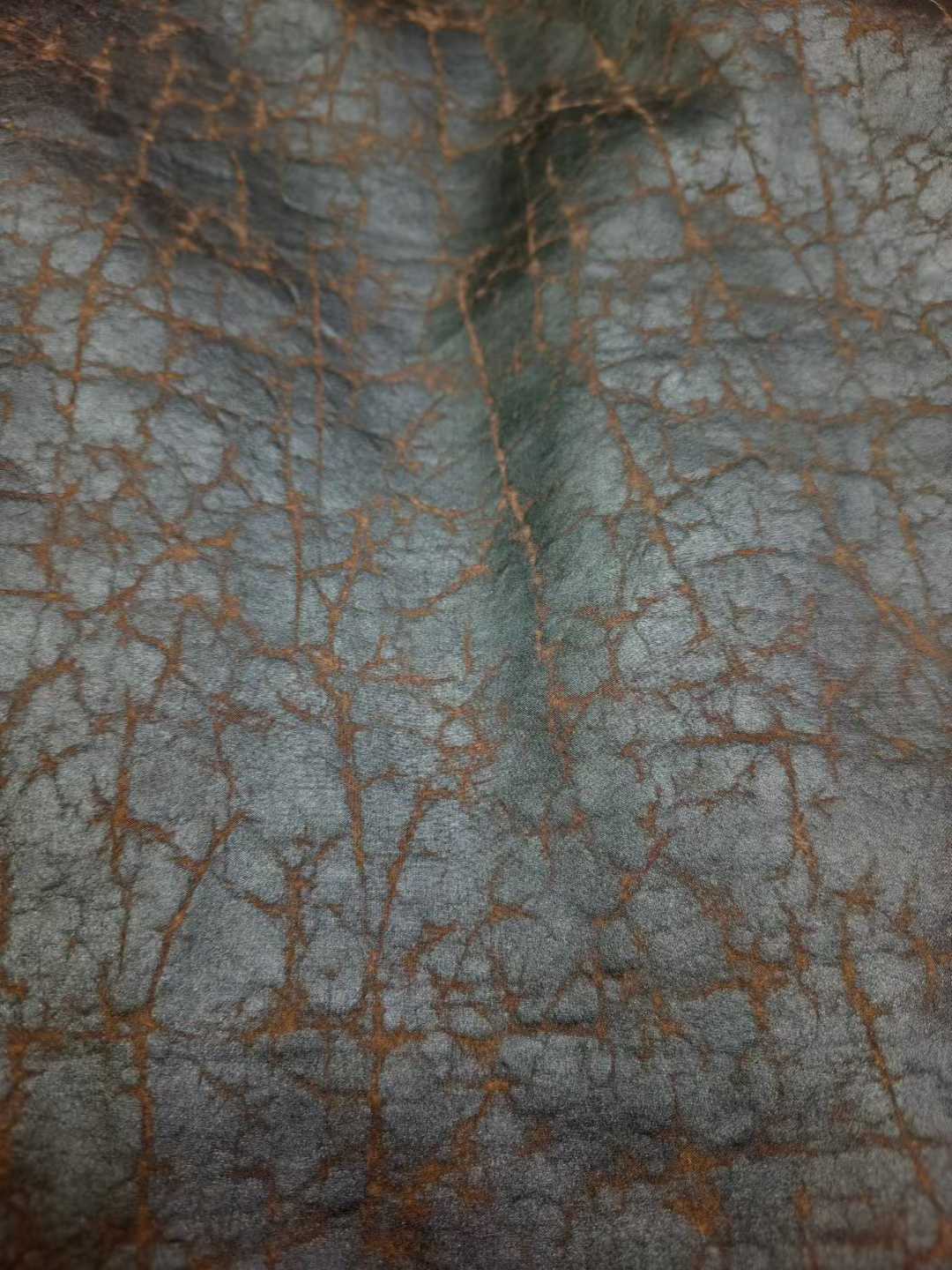
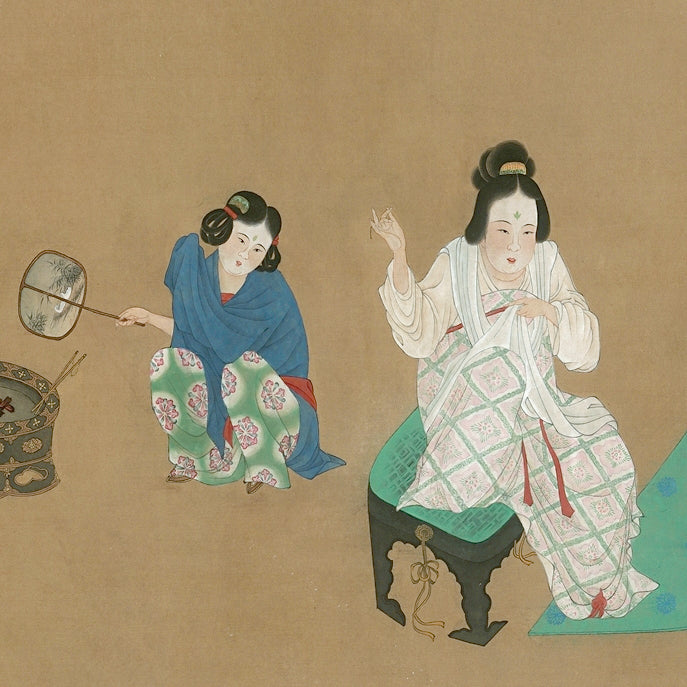

Gambiered Canton Silk, often known as Chinese Mud Silk, is one of China’s most distinctive silk traditions. It is a fabric shaped not only by weaving, but by plant dyeing, sunlight, river mud, climate, and time.
In Chinese, this silk is commonly known as Xiangyunsha. Its surface carries a quiet depth that is difficult to imitate: one side often appears dark and subtly lustrous, while the other reveals warmer brown, bronze, or tea-like tones. The beauty of Gambiered Canton Silk lies in this natural contrast — refined, imperfect, and alive.
At CROSE, we see Mud Silk as more than a traditional textile. It is a living material heritage, carrying the intelligence of Chinese silk craftsmanship into contemporary design.
What Is Gambiered Canton Silk?
Gambiered Canton Silk is a traditional Chinese silk finished through a long natural dyeing process. The silk is repeatedly dyed with the plant extract of Dioscorea cirrhosa, a native plant historically used in southern China for textile dyeing. After dyeing, the fabric is sun-dried, washed, and treated through multiple rounds before being finished with mineral-rich river mud.
This process gives the silk its distinctive color depth, dry touch, subtle sheen, and naturally varied surface. Unlike ordinary dyed silk, Gambiered Canton Silk does not rely only on color. Its character comes from the interaction between plant tannins, sunlight, water, mud minerals, silk fiber, and handwork.
The result is a fabric with a quiet, earthy elegance — never flat, never industrial, and never exactly the same from one piece to another.
The Role of Plant Dyeing
The color of Gambiered Canton Silk begins with plant dye. The silk is soaked and dyed with Dioscorea cirrhosa extract, then spread under the sun to dry. This is repeated many times, allowing the color to build slowly within the fabric.
Each round deepens the tone. Instead of a surface-level color, the dye becomes part of the silk’s natural expression. The result may show shades of tea brown, reddish brown, bronze, black-brown, or deep earthy tones, depending on the base silk, dyeing time, weather, and finishing method.
This slow process is part of what gives Mud Silk its rare visual depth. The color does not feel printed or painted on. It feels matured.
The River Mud Finish
The most recognizable feature of Gambiered Canton Silk comes from the river mud finishing process. After repeated plant dyeing and sun exposure, one side of the silk is coated with mineral-rich river mud. The minerals react with the plant tannins, creating the fabric’s characteristic dark surface.
This dark side is not simply black. It can appear brown-black, charcoal, iron-rich, or subtly glossy depending on light and movement. The reverse side often retains warmer plant-dyed tones, giving the fabric its beautiful two-sided character.
This relationship between plant and earth is what makes Gambiered Canton Silk so special. It is silk transformed by nature, but guided by human hands.
Why Each Piece Looks Slightly Different
No two pieces of Gambiered Canton Silk are exactly identical. Small differences in sunlight, humidity, water, mud, dye concentration, fabric base, and drying conditions can all influence the final appearance.
This is why the surface may show slight tonal variation, subtle marks, soft unevenness, or delicate traces from the hand-finishing process. In conventional textile production, these might be seen as flaws. In Mud Silk, they are part of the material’s identity.
These variations are the evidence of time and craft. They remind us that the fabric has passed through hands, weather, earth, and light before reaching the body.
The Beauty of Imperfection
Gambiered Canton Silk belongs to a world of quiet luxury. Its beauty is not loud or polished in a modern industrial sense. It has restraint, depth, and a slightly mysterious quality.
The fabric may carry soft wrinkles, irregular reflections, small hand-finished marks, or subtle differences along the edge. These details give Mud Silk its character. They make the fabric feel personal, aged, and alive.
This is why Mud Silk is often appreciated by designers who value natural materials, heritage craftsmanship, and garments that become more beautiful through use.
How Gambiered Canton Silk Feels
Compared with fluid silk charmeuse or soft crepe de chine, Gambiered Canton Silk often has a drier and more structured hand feel. Depending on the base fabric, it may feel crisp, smooth, papery, cool, or lightly textured.
It is breathable and comfortable to wear, especially in warm and humid climates. Traditional Mud Silk garments were valued not only for their beauty, but also for their practicality: the fabric feels cool against the skin, resists clinging, and develops character with time.
Some types are light and refined, suitable for shirts, dresses, and relaxed summer garments. Heavier versions, such as Mud Silk on satin or dense silk bases, can be used for jackets, coats, structured dresses, and statement pieces.
Contemporary Uses
Today, Gambiered Canton Silk is increasingly valued by fashion designers, textile collectors, and makers who seek natural depth and cultural meaning in their materials.
It is especially suitable for:
- Minimal dresses and tunics
- Softly structured jackets
- Elegant shirts and blouses
- Relaxed summer garments
- Contemporary Chinese-inspired silhouettes
- Artisan accessories and textile objects
- Slow fashion and heritage-led collections
The fabric works beautifully in designs where the material itself is allowed to speak. Simple shapes often show Mud Silk best, allowing the surface, tone, and movement to become the main design language.
A Living Chinese Silk Heritage
Gambiered Canton Silk carries the memory of a region, a climate, and a way of making. It belongs to the broader history of Chinese silk, but it remains deeply connected to the hands and landscapes that produce it.
For CROSE, this is the meaning of Chinese silk heritage: not something frozen in the past, but something that can continue to live through contemporary wardrobes, design studios, and everyday rituals of wearing and making.
To choose Gambiered Canton Silk is to choose a fabric with depth — a silk shaped by plant, earth, sunlight, water, and time.
Care Notes
Because Gambiered Canton Silk is naturally dyed and traditionally finished, gentle care is essential.
- Dry cleaning is recommended for best preservation.
- If hand washing, wash gently and briefly in cool water.
- Avoid soaking for a long time.
- Do not use bleach, strong detergent, or alkaline soap.
- Dry naturally in shade.
- Some natural color change or soft fading may occur over time.
These changes are part of the life of naturally dyed silk. With careful use, Gambiered Canton Silk develops a quiet patina and becomes more personal with wear.
Explore Mud Silk at CROSE
CROSE offers a curated selection of Gambiered Canton Silk and Chinese Mud Silk fabrics, including traditional dark-backed finishes, plant-dyed tones, Hualuo leno structures, satin bases, organza bases, and heavier silk qualities for contemporary garments and collections.
Explore our Mud Silk collection, order swatches, or contact us for wholesale and atelier inquiries.