
Choosing silk begins with more than colour. A beautiful shade may draw the eye first, but the success of a garment depends on the fabric’s fibre, weight, weave, drape, opacity, and hand feel.
Two silks may both be called “silk,” yet behave completely differently on the body. One may float softly. One may fall with weight. One may hold shape. One may shine, crease, breathe, or reveal light.
This guide is written to help you read silk with more clarity before choosing a fabric for your project.
Start with Fibre
Fibre is the foundation of a fabric.
Pure mulberry silk is known for its smoothness, breathability, natural sheen, and comfort against the skin. It is often chosen for garments that need softness, refinement, and a natural touch.
Silk blends bring different qualities into the fabric. Silk wool may feel warmer and more structured. Silk linen may feel drier and more textured. Silk cotton may feel softer, calmer, and more everyday. Stretch silk includes a small amount of elastane, giving the fabric greater flexibility and comfort in fitted garments.
The fibre content tells you what the fabric is made from. The weave tells you how it will behave.
Read the Weight
Silk weight is often measured in momme.
A lower momme silk is usually lighter, airier, and more transparent. A higher momme silk is usually heavier, denser, and more opaque. But weight should never be read alone. A 19 momme silk charmeuse, a 19 momme crepe de chine, and a 19 momme twill may all feel different because their structures are different.
As a simple guide, lightweight silk is often suitable for scarves, linings, soft layers, and summer pieces. Medium-weight silk is useful for blouses, dresses, slips, shirts, and refined everyday garments. Heavyweight silk is better suited to structured dresses, eveningwear, jackets, coats, and pieces that need more presence.
Understand the Weave
The weave gives silk its character.
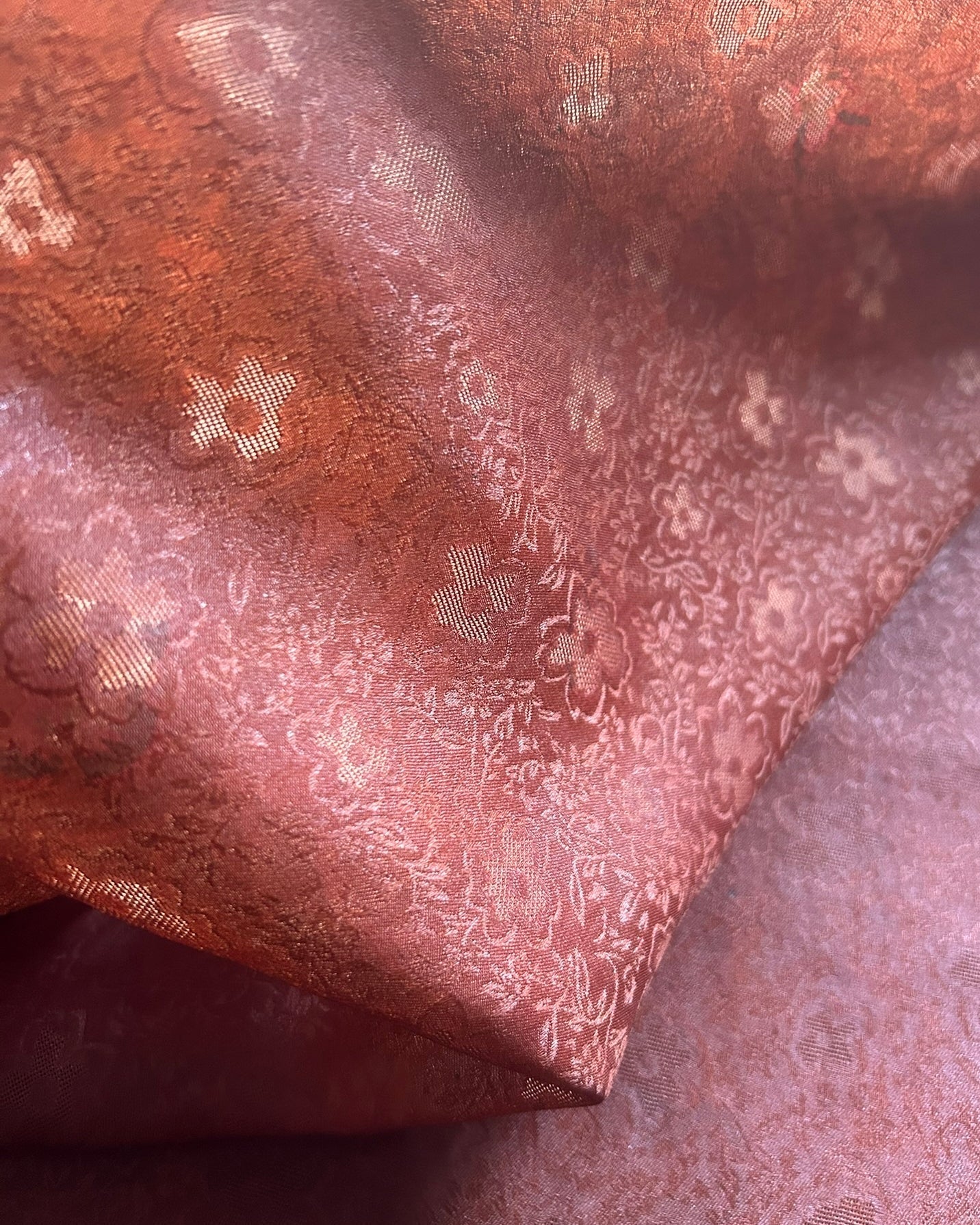
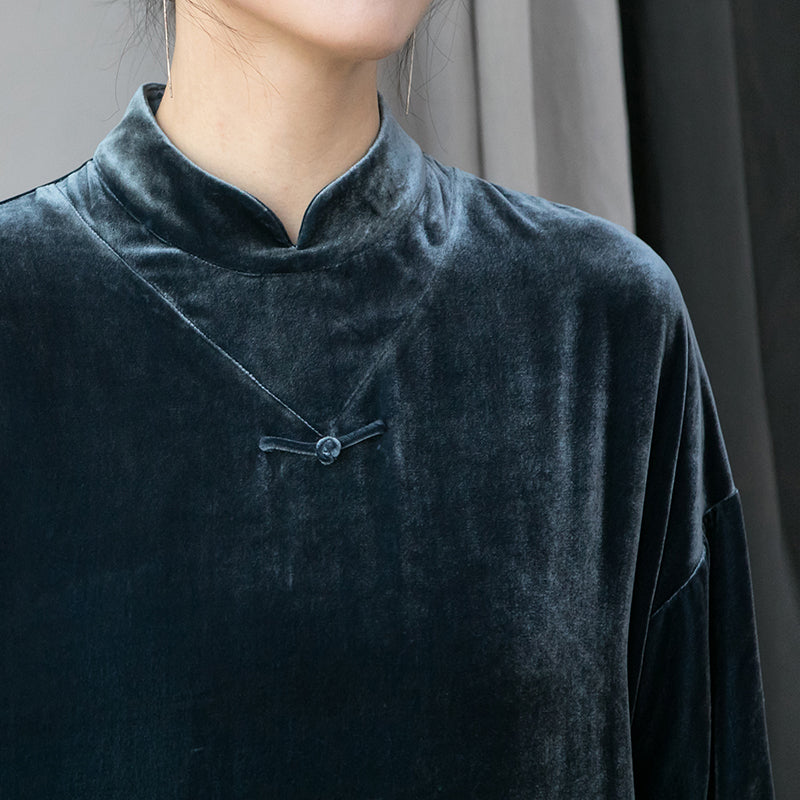
Satin and charmeuse are smooth, fluid, and luminous. Crepe de chine has a softer matte surface and gentle texture. Georgette is lighter, grainier, and more airy. Organza is crisp, sheer, and architectural. Habotai is smooth, light, and simple. Twill has a composed diagonal structure. Velvet has pile, depth, and rich surface movement.
When choosing silk, the weave is often more important than the name alone. It determines how the fabric catches light, how it moves, and how it sits on the body.
Consider Drape
Drape describes how a fabric falls.
Fluid silks fall close to the body and create soft movement. Structured silks hold shape and create clearer lines. Crisp silks can create volume, pleats, sleeves, overlays, or architectural silhouettes. Heavy silks fall with more weight and control.
For a soft slip dress, blouse, or bias-cut garment, choose a silk with fluid drape. For a jacket, structured dress, sculptural sleeve, or tailored piece, choose a silk with more body.
Look at Opacity
Opacity matters, especially for garments worn close to the body.
Chiffon, georgette, organza, and some lightweight habotai fabrics may be sheer or semi-sheer. They may need lining, layering, or intentional transparency.
Silk charmeuse, crepe de chine, twill, heavy satin, heavy crepe, and silk wool blends are often more opaque, especially in higher weights. Still, colour also matters. Pale colours usually reveal more than dark colours.
When in doubt, check the fabric against light and consider how it will be worn.
Choose by Garment Purpose
The best silk is the one that suits the garment.
For linings, choose light, smooth silks such as habotai or light charmeuse. For blouses and shirts, crepe de chine, charmeuse, habotai, twill, and light satin can all work beautifully depending on the desired softness or structure.
For dresses, consider the silhouette first. A flowing dress may need charmeuse, crepe de chine, georgette, or satin. A more structured dress may need duchess satin, heavy crepe, silk wool, twill, or a heavier silk base.
For bridalwear and eveningwear, silk satin, charmeuse, duchess satin, organza, silk velvet, and heavier silks can create different forms of luxury — from fluid light to sculptural body.
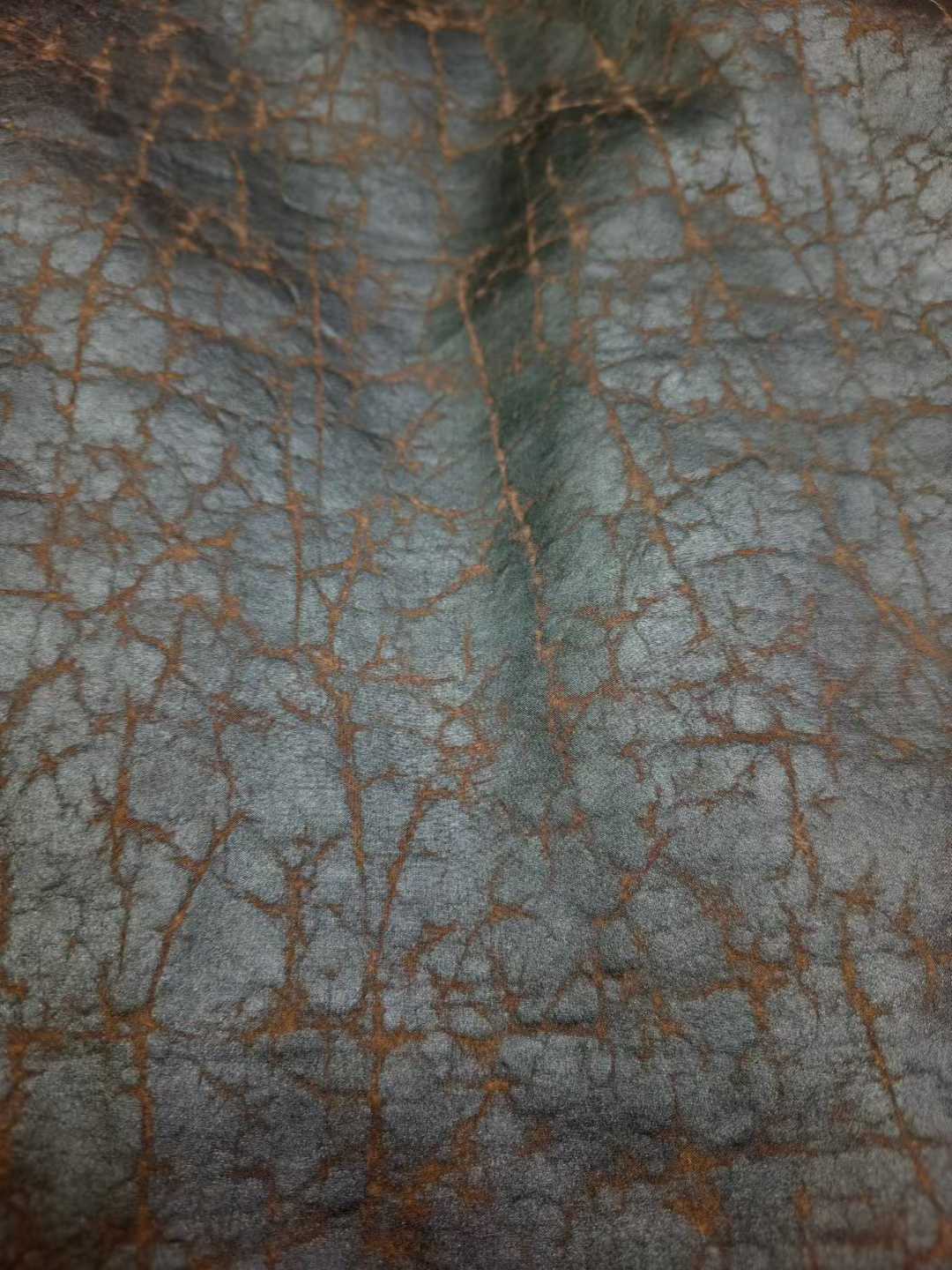
For jackets, coats, and autumn-winter garments, look for heavier silk, silk wool, silk velvet, Mud Silk, or fabrics with more structure and density.
A Simple Reference
- Soft and fluid: silk charmeuse, silk satin, crepe de chine.
- Light and airy: chiffon, georgette, habotai, organza.
- Crisp and structured: organza, taffeta, dupioni, duchess satin.
- Textured and matte: crepe de chine, georgette, heavy crepe, Mud Silk.
- Rich and dimensional: silk velvet, burnout velvet, brocade, jacquard silk.
- Warm and composed: silk wool, heavy silk blends, structured satin.
When to Order a Swatch
A swatch is the most reliable way to judge silk.
Photos can show colour and surface, but they cannot fully show hand feel, weight, transparency, texture, or movement. This is especially important for bridalwear, colour matching, linings, sheer fabrics, and structured garments.
If the fabric needs to match a specific design, skin tone, lining, trim, or existing material, ordering a swatch first is always recommended.
Reading Silk with Clarity
Choosing silk is not about finding one “best” fabric. It is about finding the right relationship between material and purpose.
Fibre gives the foundation. Momme gives the weight. Weave gives the structure. Drape gives the movement. Opacity gives the level of coverage. Hand feel gives the final impression.
When these elements work together, silk becomes more than a beautiful surface. It becomes a fabric that belongs to the garment it is meant to become.