
Fabric Guide
Silk is not chosen by beauty alone.
A good silk fabric is understood through the way it feels, falls, reflects light, and responds to the body. Weight, weave, texture, transparency, and movement all shape how a silk should be used.
Some silks are made for fluid garments and soft layering. Others are chosen for structure, surface depth, or a more substantial hand. To choose silk well is to understand what the fabric is asking to become.
At CROSE, silk is considered both material and craft. Some silks form the foundation of everyday making. Others carry deeper cultural histories, traditional dyeing, rare weaves, and the slow intelligence of Chinese silk heritage. This guide is written to help you choose silk with more clarity, whether you are creating a dress, lining a coat, sourcing for a collection, or selecting silk for living.
A fine fabric is not selected by surface alone. It is read through touch, weight, movement, and purpose.
1. Begin with Purpose
The first question is not “Which silk is the best?” but “What should this silk become?”
For fluid dresses, blouses, slips, scarves, and soft garments, choose silk with movement and drape. Silk charmeuse, crepe de chine, georgette, double georgette, and lighter satin-weave silks can all work beautifully, depending on the desired finish, weight, and transparency.
For lining, layering, or lightweight inner construction, silk habotai, lightweight charmeuse, thinner crepe de chine, and silk organza can each serve different purposes. Habotai, charmeuse, and crepe de chine feel smooth against the skin and help reduce friction between garment layers, while organza is often chosen for sheer layering, underlining, and adding light structure without heavy weight.
For eveningwear, bridalwear, structured dresses, or luxury pieces, heavier charmeuse, duchess satin, silk twill, silk dupioni, Chinese silk brocade, or selected silk velvet fabrics may offer more body, presence, and surface interest.
For summer wear, breathable garments, sheer layering, or soft movement, lightweight silk fabrics such as chiffon, georgette, organza, habotai, and leno-style silks can feel light and airy. Certain lighter-weight Gambiered Canton Silks, especially those under around 30 momme, can also be beautifully suited to summer clothing, with a cool, dry hand feel and a breathable comfort that makes them distinctive among Chinese heritage silks.
For heritage-inspired garments, sculptural pieces, statement outerwear, or designs that carry cultural depth, Chinese heritage silks such as Gambiered Canton Silk, Hongyunsha, Song Brocade, Yun Brocade, Hualuo, and Leno Silk may be more meaningful.
Purpose gives direction. The fabric should serve the final piece, not only attract the eye.
2. Understand the Fiber
Not all silk begins in the same way.
Mulberry silk is the most widely recognized fine silk fiber. It is smooth, refined, and prized for its softness, luster, and consistent quality. Many essential silk fabrics, including silk charmeuse, crepe de chine, habotai, organza, chiffon, and georgette, are woven from mulberry silk.
Tussah silk has a more natural and textured character. It can feel slightly drier, more irregular, and more earthy than mulberry silk. Its beauty often lies in its organic surface and less polished appearance.
Spun silk is made from shorter silk fibers. It does not usually have the same continuous-filament smoothness as high-grade mulberry silk, but it can offer a softer, more matte, and more textured hand feel.
Silk blends combine silk with other fibers to create different qualities. Silk wool adds warmth, body, and structure. Silk linen can feel more breathable and slightly crisp. Stretch silk charmeuse includes a small amount of spandex or elastane for flexibility.
These blends are not lesser materials. They are different tools for different designs.
Fiber is never just a technical detail. It shapes how a fabric feels, falls, breathes, ages, and belongs to a garment.
3. Read the Weave
The weave determines how silk behaves.
Silk Charmeuse has a satin face and a crepe back. It is smooth, lustrous, fluid, and elegant, often used for dresses, blouses, slips, scarves, eveningwear, and luxury linings.
Silk Crepe de Chine has a soft matte surface, gentle texture, and refined drape. Compared with charmeuse, it is less glossy and generally more resistant to visible wrinkles, giving it an easier, more versatile quality for everyday garments.
Silk Georgette is light, softly textured, and slightly sheer. It has a subtle grainy surface and beautiful movement, making it suitable for dresses, blouses, overlays, skirts, and layered garments.
Silk Double Georgette has more body than standard georgette while keeping a soft drape. It is useful for garments that need movement without feeling too fragile.
Silk Chiffon is very light, sheer, and airy. It is often used for veils, overlays, soft layers, scarves, and delicate evening pieces.
Silk Habotai is smooth, light, and plain-woven. It is often used for linings, lightweight garments, scarves, and soft layering.
Silk Organza is crisp, sheer, and structured. It is suitable for bridalwear, sculptural details, overlays, sleeves, collars, underlining, and design elements that need light volume.
Silk Velvet has a soft pile and rich depth. Many silk velvets are woven with a silk base and a rayon or viscose pile, giving the fabric its plush surface and luminous depth. It is suitable for eveningwear, jackets, robes, accessories, and statement garments.
Silk Dupioni is crisp and textured, often with natural slubs. It is suitable for dresses, skirts, jackets, formalwear, and structured pieces.
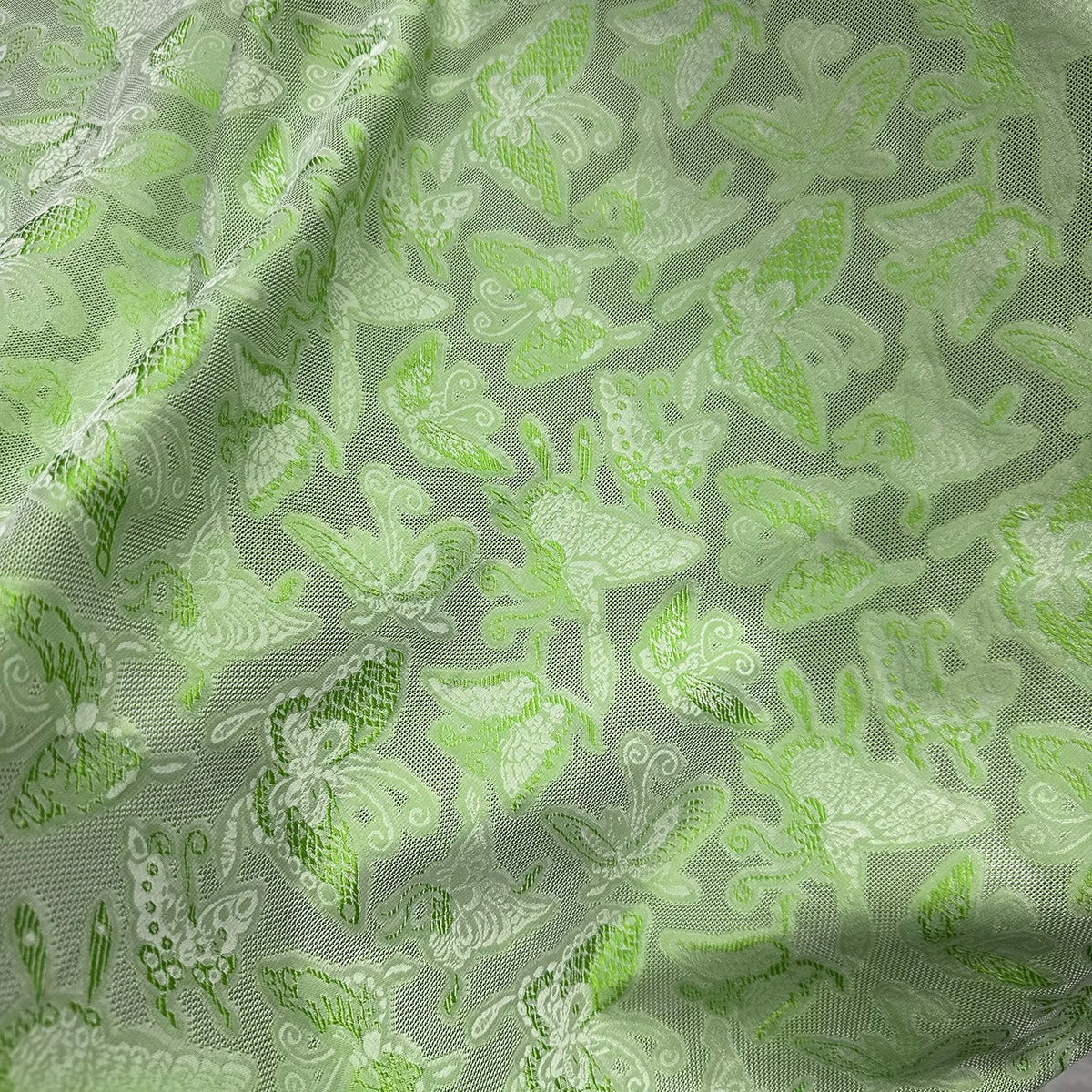
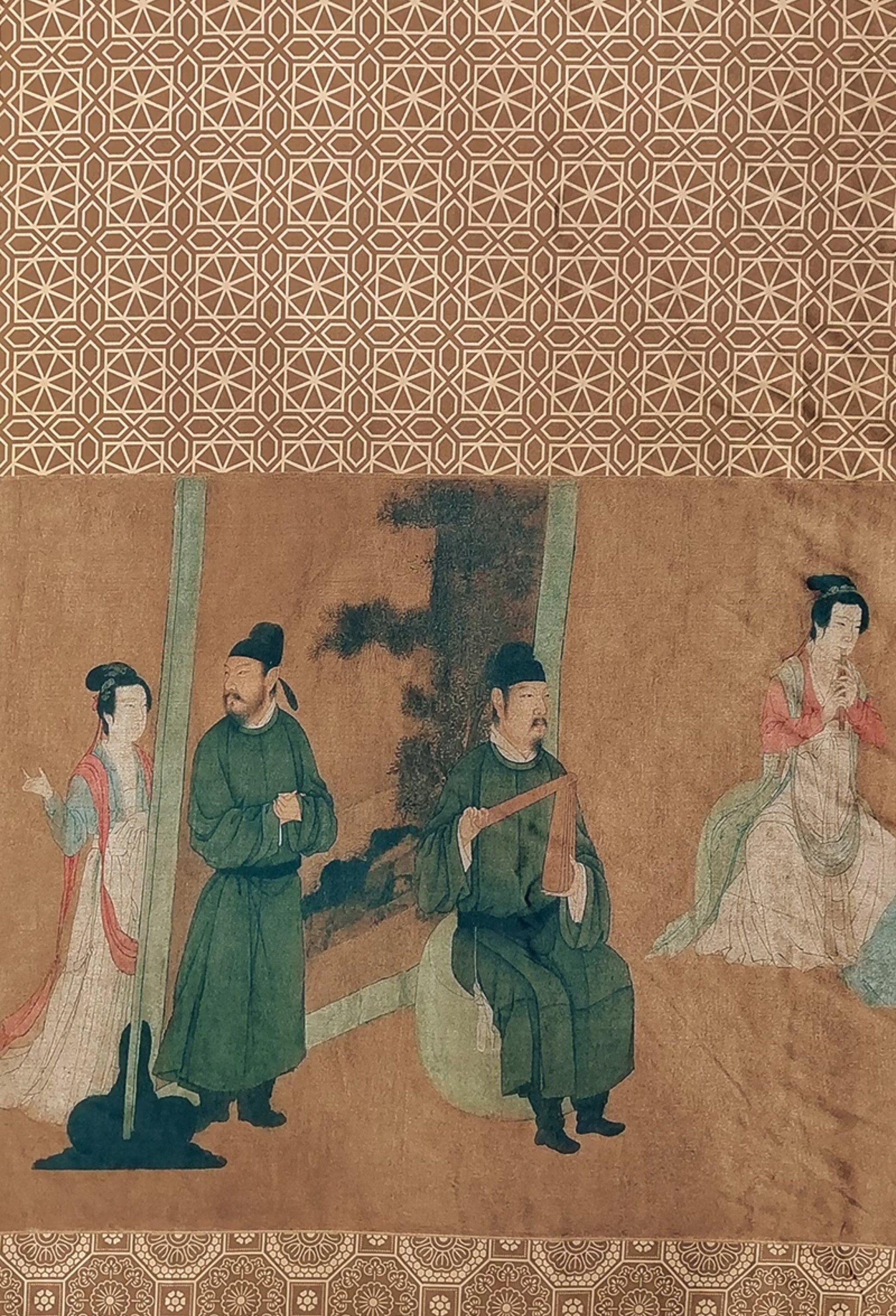
Chinese Silk Brocade carries woven patterns rather than printed surface designs. Brocades such as Song Brocade and Yun Brocade are not simply decorative fabrics; they belong to a longer tradition of woven silk craftsmanship.
When choosing silk, do not look only at color. Look at the weave. The weave tells you how the fabric will move, hold shape, reflect light, and behave when sewn.
4. Choose the Right Momme
Momme is a traditional unit used to measure silk weight. In simple terms, a higher momme usually means a denser, heavier silk.
Lightweight silk, around 6 to 10 momme, is often found in fabrics such as silk chiffon, silk organza, and silk habotai. These fabrics are airy, sheer, or softly smooth, and are often chosen for scarves, overlays, linings, delicate layers, and warm-weather garments.
Mid-weight silk, around 12 to 19 momme, is common in silk charmeuse, crepe de chine, georgette, habotai, and stretch silk satin. This range is versatile for blouses, shirts, dresses, slips, scarves, linings, and refined everyday garments.
Heavier silk, around 22 to 30 momme, is often used for more substantial charmeuse, satin-weave silk, heavy crepe, and selected structured silk fabrics. It offers more body, opacity, and drape, making it suitable for dresses, eveningwear, premium shirts, fluid trousers, robes, and pieces where weight matters.
Very heavy silk, around 40 momme and above, feels rich, dense, and substantial. It is often chosen for selected heavy satin, heavy crepe, structured garments, special designs, and pieces that require presence, weight, and a more luxurious hand feel.
Momme should not be judged alone. A 16 momme charmeuse, a 16 momme crepe de chine, and a 16 momme georgette will not behave the same way because weave also matters. Weight and weave must be read together.
5. Match Silk to the Season and Body
Silk is often described as luxurious, but its real beauty is also physical. It lives close to the body.
For warm weather, lighter silks such as habotai, chiffon, georgette, organza, lightweight crepe de chine, leno silks, and lighter-weight Gambiered Canton Silk can feel breathable and comfortable. They are suitable for loose garments, layered silhouettes, scarves, summer dresses, shirts, and warm-weather dressing.
For cooler seasons, heavier charmeuse, silk wool, silk-base velvet, heavy crepe, brocade, and heavier heritage silks offer more substance and warmth. They are better suited to dresses, jackets, coats, robes, eveningwear, and structured garments.
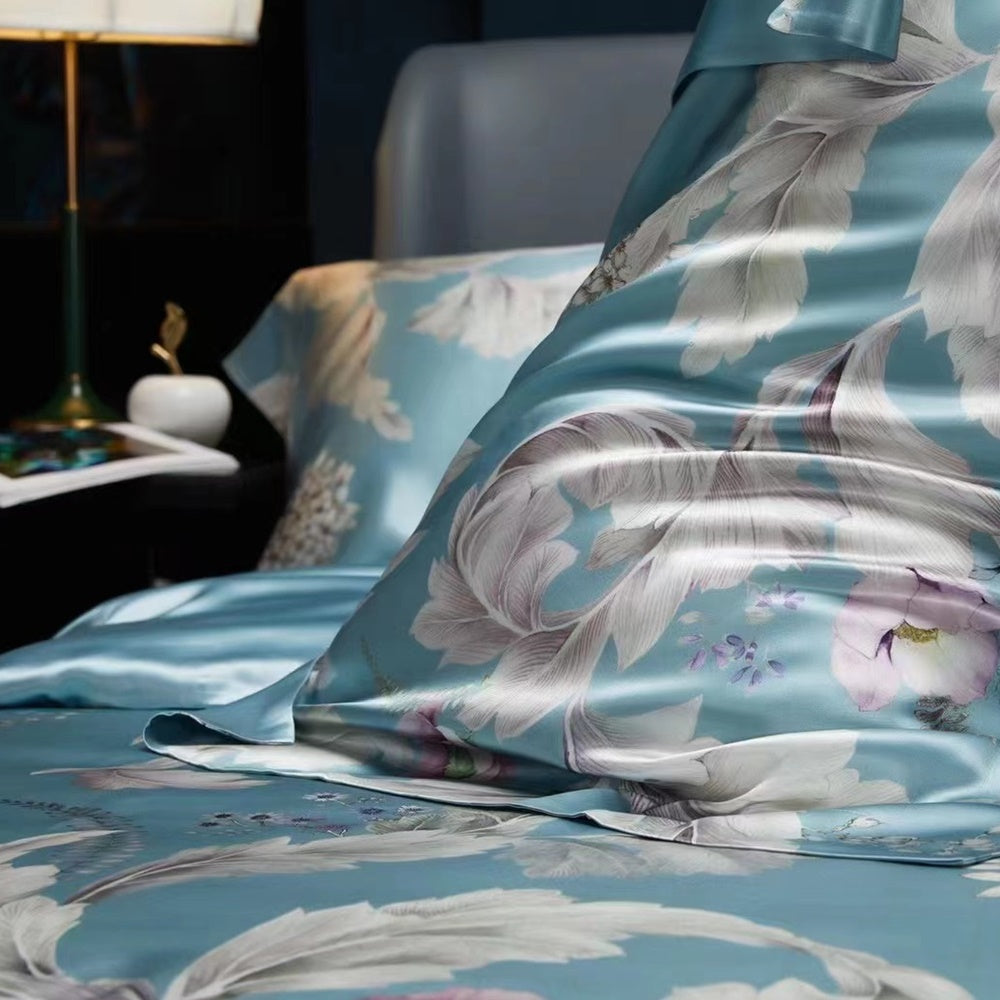
For pieces worn close to the skin, surface matters as much as weight. Smoother silks such as charmeuse, habotai, crepe de chine, and satin-weave silk are often chosen for their soft touch and lower friction, while textured or crisp silks may be better used for outer layers, structure, or decorative effect.
A silk fabric should not only suit the design. It should suit the season, the body, and the way the finished piece will be worn.
6. Essential Silk and Heritage Silk
At CROSE, silk is organized into two closely related families: Essential Silk and Heritage Silk.
Essential Silk refers to the core silk fabrics widely used in modern garment making and textile design. These fabrics do not rely on a specific Chinese heritage dyeing or weaving tradition, but they remain essential to silk creation. Silk charmeuse, crepe de chine, georgette, double georgette, chiffon, habotai, organza, silk velvet, silk dupioni, and silk blends all belong to this group.
These fabrics are valued for their versatility. They can be fluid, crisp, sheer, matte, lustrous, lightweight, or structured, depending on the weave and weight. For many designers and makers, Essential Silk is the practical foundation for dresses, blouses, linings, scarves, bridalwear, eveningwear, and refined everyday garments.
Heritage Silk refers to silk fabrics shaped by Chinese textile traditions, including special dyeing, finishing, weaving, or regional craft knowledge. Gambiered Canton Silk, Hongyunsha, Song Brocade, Yun Brocade, Hualuo, Leno Silk, and Chanyi Soft Gauze belong to this wider heritage family.
Heritage Silk is not separate from daily wear. It can also become clothing, accessories, outerwear, and living pieces. The difference is that these fabrics carry more craft, more time, and often a higher material value. Some are prized for their distinctive hand feel and easier care, such as lighter-weight Gambiered Canton Silk and Hongyunsha. Others, such as Hualuo and Leno Silk, are valued for their openwork structure, breathable comfort, and coolness in warm weather.
Essential Silk offers the refined language of silk as a material.
Heritage Silk adds the depth of Chinese craft, rarity, and cultural memory.
Both can be worn, used, and lived with. The choice is not between ordinary silk and special silk, but between different levels of material character, craft, and purpose.
7. A Simple Buying Checklist
Before choosing silk, ask:
-
What will the fabric become?
A dress, blouse, lining, scarf, bedding piece, jacket, robe, accessory, or outerwear? -
Does it need drape or structure?
Fluid silks move softly. Crisp, dense, or heavier silks hold shape better. -
Should it be matte or lustrous?
Charmeuse and satin-weave silk reflect light. Crepe de chine and georgette feel more matte and understated. -
Should it be sheer or opaque?
Chiffon and organza are sheer. Heavier charmeuse, double georgette, heavy crepe, velvet, and brocade offer more coverage. -
What weight is suitable?
Lightweight silk is airy. Mid-weight silk is versatile. Heavy silk feels more substantial and refined. -
Will it be worn directly against the skin?
Most silk fabrics feel gentle and comfortable on the skin, but surface texture and construction still matter. Smooth silks such as charmeuse, habotai, crepe de chine, and satin-weave silk are ideal for close-to-body garments. Tussah silk may feel slightly drier or more textured, while Song Brocade, Yun Brocade, and other brocades are usually better suited to outer layers or lined garments because the reverse side is less smooth and the woven surface may be more prone to snagging. -
Does the project need cultural depth?
For designs that seek heritage, story, and material identity, consider Chinese heritage silks. -
Have you ordered a swatch?
For important projects, a swatch is always recommended. Photos can show color and surface, but only touch can reveal weight, drape, transparency, and hand feel.
Final Note
There is no single best silk for every project.
The right choice depends on what the fabric needs to do. A lining asks for smoothness and ease. A summer garment may need breathability and lightness. A formal dress may need drape, weight, or surface depth. A jacket or outer layer may call for structure, body, or a fabric that can hold its shape.
Essential Silk offers the reliable foundation of modern silk making. Heritage Silk adds another level of craft, rarity, and material character. Both can be worn, used, and lived with; the difference lies in how much structure, history, texture, care, and presence the final piece requires.
When choosing silk, begin with purpose. Then read the fiber, weave, weight, surface, and hand feel. A beautiful silk is not simply the one that looks most luxurious in a photograph, but the one that belongs naturally to the piece you want to create.